
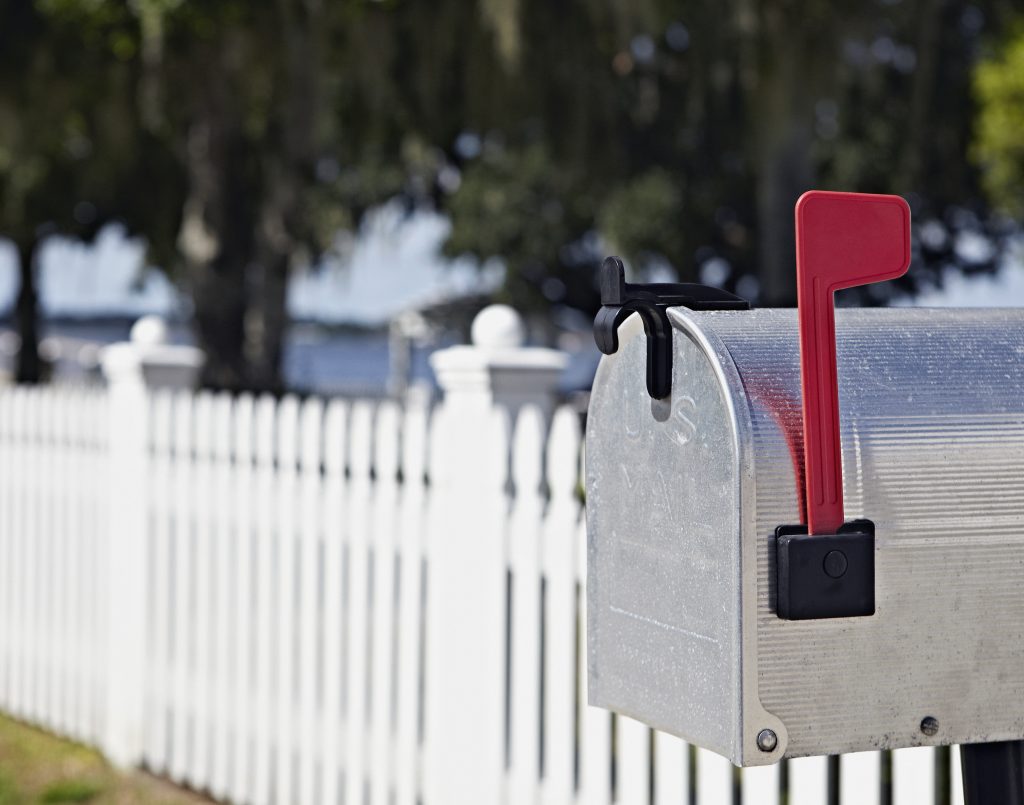
Every homeowner has seen it at some point: a mailbox knocked sideways, a post snapped at the base, or a box so dented it can barely hold a letter. Whether the damage came from a passing car, a bored teenager, or a run of bad weather, the result is the same: your mail stops being delivered, your property takes a hit, and you are left footing the bill. The good news is that most mailbox damage is entirely preventable with the right combination of materials, positioning, and awareness.
Why Mailboxes Are More Vulnerable Than Most People Realize
A mailbox sits at the edge of the road, fully exposed, unattended around the clock, and accessible to anyone who drives or walks by. That combination of visibility and vulnerability makes it one of the most frequently damaged pieces of residential property in any neighborhood. Accidental damage from vehicles backing out of driveways, snowplows clipping corners, and lawn equipment striking posts accounts for a significant share of replacements every year, and none of it requires any bad intent.
Vandalism adds a separate layer of risk that warrants serious attention. Under Title 18, United States Code, Section 1705, mailboxes are considered federal property, and willfully damaging one is a federal crime carrying fines of up to $250,000 and up to three years in prison per act. Despite those penalties, mailbox vandalism remains common, particularly in suburban and rural areas where boxes sit isolated along public roads with little natural surveillance. Knowing that the law is on your side is useful, but prevention is always a better outcome than prosecution.
The Role Material Quality Plays in Damage Resistance
Not all mailboxes are built to take a hit and keep standing. Standard plastic mailboxes may be inexpensive upfront, but they crack under cold temperatures, fade in UV exposure, and offer virtually no resistance to impact. A car mirror clipping a plastic box at low speed can shatter it completely, while the same strike against a well-built aluminum unit might leave nothing more than a scuff. The material your mailbox is made from is one of the single biggest factors in how well it survives both accidents and intentional abuse.
Cast aluminum and heavy-gauge powder-coated steel are the materials that hold up best in real-world conditions. They resist rust, maintain structural integrity through freeze-thaw cycles, and do not become brittle with age the way plastic does. The post matters just as much as the box itself; a cedar post that has been properly sealed and maintained will outlast an untreated one by years, and a cast aluminum post will outlast both. Investing in quality materials at the point of installation means fewer replacements, lower long-term costs, and a mailbox that continues to look sharp instead of becoming an eyesore after a couple of hard winters.
Smart Placement Reduces Accidental Damage
Where a mailbox sits has a direct impact on how often it gets hit. Boxes positioned too close to a driveway apron, placed at an awkward angle relative to the road, or installed in a low-visibility spot are far more likely to take accidental damage from vehicles than those installed with positioning in mind. USPS installation guidelines exist for a reason; the recommended placement height, setback from the road, and lateral positioning relative to the curb are all designed to make mail delivery smooth and reduce the chance of the carrier’s vehicle clipping the box on approach.
In neighborhoods with heavier traffic or tighter road margins, extra thought about placement pays off quickly. Keeping the post back from the edge of the road by a few additional inches, ensuring the box is clearly visible to approaching drivers, and avoiding placement directly adjacent to areas where vehicles frequently maneuver can all reduce the frequency of accidental strikes. For communities that experience snowplow damage in winter, placement becomes especially important. A box that sits right at the road’s edge is far more likely to catch a plow blade than one set back even slightly. These are simple decisions at installation time that save real money over the life of a mailbox.
Lighting and Visibility as Deterrents
One of the most effective and underutilized tools against mailbox vandalism is simple visibility. Vandals prefer to operate in darkness and low-visibility conditions. A mailbox that is well-lit, positioned near an active area of the property, and visible from inside the home is a fundamentally less attractive target than one sitting in a shadowed corner at the far end of a long driveway. Motion-activated lighting near the mailbox area is an affordable addition that makes a measurable difference.
Pairing lighting with clear sightlines from the street and from the home creates a deterrent effect that does not require any ongoing effort. Communities and HOAs that add decorative street lighting alongside mailbox clusters accomplish two things at once: they elevate the aesthetic of the streetscape, and they reduce the cover that vandals depend on. Street lighting matched to the style of custom mailbox posts creates the kind of cohesive, well-maintained look that signals to everyone passing through that this neighborhood is watched and cared for. That signal alone discourages casual vandalism more effectively than most people expect.
What to Do When Damage Happens Anyway
Even the most well-prepared homeowner will occasionally deal with damage, whether from an unavoidable accident or a determined vandal. The first step is always documentation, photograph the damage in detail before anything is touched or moved. If vandalism is suspected, report it to the U.S. Postal Inspection Service and local law enforcement as quickly as possible. Filing a report creates a documented record that supports any insurance claim and helps authorities identify whether the incident is part of a broader pattern in the neighborhood.
Homeowner’s insurance policies vary considerably in how they handle mailbox damage, and it is worth reviewing your coverage before an incident occurs rather than after. Some policies include provisions for federal property destruction, and a filed police report strengthens any claim significantly. If snowplow damage is involved, local municipal or county road authorities may carry some responsibility for replacement costs, depending on the jurisdiction. The key in any scenario is to act quickly, document thoroughly, and replace with better materials than what was there before so that the next incident, if there is one, does less damage and costs less to address.
Building a Neighborhood-Wide Prevention Culture
Individual homeowners can do a great deal on their own, but the most effective mailbox protection happens at the community level. Neighborhoods where residents communicate about suspicious activity, maintain consistent mailbox standards, and approach replacements as a coordinated effort rather than isolated transactions end up with better outcomes across the board. A neighborhood watch that explicitly includes mailbox monitoring gives residents a framework for reporting and responding to incidents that benefits everyone on the street.
HOA communities are particularly well-positioned to drive this kind of coordinated approach. When an HOA works with a trusted provider to standardize mailbox materials, post styles, and placement across the neighborhood, the result is a streetscape that is not only more visually cohesive but also more resistant to damage at scale. Otto’s Streetscape Solutions works directly with HOA boards to make this kind of neighborhood-wide coordination straightforward, from product selection and pricing to installation and removal of old materials, so that protecting and upgrading the community’s mailbox infrastructure does not become a project that falls through the cracks year after year.
Partner with Otto’s Streetscape Solutions!
At Otto’s Streetscape Solutions, we pride ourselves on delivering exceptional craftsmanship, personalized service, and lasting value to our customers. Contact us today to schedule a consultation and discover how we can elevate your neighborhood’s streetscape with our custom mailboxes, posts, and street sign solutions.