
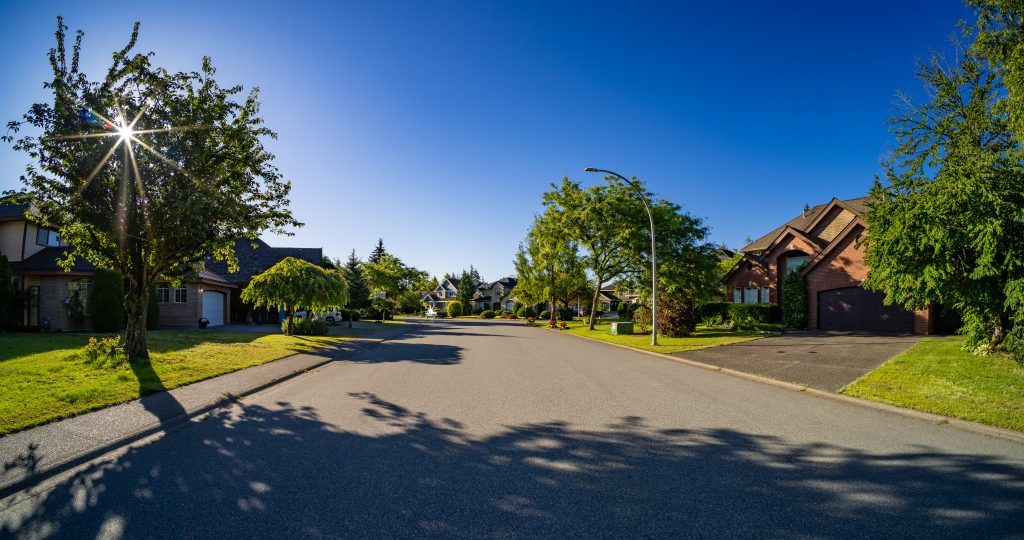
What should HOAs in central Indiana consider when planning a streetscape project? Communities in Greenwood, Indianapolis, Carmel, and Fishers face specific weather conditions, material pressures, and regional compliance expectations that a generic streetscape approach does not account for. Boards that plan around those realities end up with communities that look better, cost less to maintain, and hold up longer than those that treat streetscaping as a one-size-fits-all decision.
Why Central Indiana HOAs Need a Region-Specific Streetscape Approach
Streetscape planning is the process of defining and managing the visual experience of a neighborhood as seen from the street. For an HOA board, that means establishing written standards for exterior elements under the association’s governance, including mailboxes, mailbox posts, and street signage. These elements may seem minor in isolation, but together they create the visual rhythm of a community and signal to everyone who passes through whether the neighborhood is actively managed and well-maintained.
The reason a region-specific approach matters is that central Indiana presents conditions that accelerate wear on streetscape materials faster than boards often anticipate. A mailbox that performs well in a milder climate may fail within a few years in a community where road salt exposure, late spring storms, and repeated freeze-thaw cycles are simply part of the annual calendar. Specifying materials and installation methods that account for those conditions is not just a fancy consideration; it is the baseline for sound planning.
Climate Realities: How Indiana Weather Shapes Material Choices
Central Indiana’s climate puts streetscape materials through a genuine stress test every year. Winters bring road salt, which accelerates corrosion on unprotected metal surfaces. The freeze-thaw cycle, which can occur dozens of times between November and March, causes posts to shift as the ground heaves and settles, pulling installations out of alignment even when they were set correctly at the start. Summer brings its own pressures, with storm season delivering strong winds and driving rain that test the structural integrity of any curbside installation.
The material implications are straightforward. Powder-coated aluminum has become a standard choice for central Indiana HOAs precisely because it resists the corrosion that road salt accelerates and does not degrade the way painted steel does after repeated seasonal exposure. Cedar post options remain popular for communities that prefer a traditional aesthetic. Still, they require more consistent maintenance to withstand Indiana winters and should be sealed and inspected annually. Because of the adverse effects the weather has on each area, it’s important to consider how long streetscape materials really last before choosing material specifications.
Post installation depth also matters more in freeze-thaw climates than many boards realize. A post not set below the frost line will move seasonally, and a mailbox that shifts out of the USPS-required height range during winter can trigger a delivery suspension, even if it was installed correctly. This is one of the reasons working with a local installer who knows the frost depth requirements for central Indiana is a practical advantage over ordering materials remotely and managing installation independently.
Compliance Considerations Specific to Indiana Communities
There are no state-level HOA streetscape regulations unique to Indiana. What central Indiana boards navigate is the same federal USPS compliance framework that governs all residential mailboxes, applied within the context of each community’s own CC&Rs and any local municipal requirements that may affect right-of-way placement.
The most common compliance questions in the Greenwood and Indianapolis communities involve height and setback requirements. USPS requires the bottom of the mailbox opening to be between 41 and 45 inches from the road surface and the box to be positioned 6 to 8 inches back from the curb face. These measurements can shift after road resurfacing projects, which are common in growing communities across Hamilton, Johnson, and Marion counties. A board that audited its community’s mailbox placements before a road project may find that a portion of its inventory is now technically out of compliance simply because the road surface changed.
For boards working to align community standards with federal requirements, the importance of HOA guidelines in streetscape design cannot be overstated. Clear guidelines help embed compliance into community standards from the start, rather than forcing corrections after problems arise.
Common Streetscape Elements in Greenwood and Indianapolis HOAs
Mailboxes are the most visible streetscape element and the one that has the greatest effect on how consistent and intentional a neighborhood reads from the street. In the Greenwood and Indianapolis communities, the most common community-wide standards specify cast-aluminum or powder-coated-steel mailboxes in a single finish color, paired with matching posts installed at a uniform height. Boards that specify matching address number style and placement alongside the box and post standard tend to achieve the most cohesive result.
Street signage is a less frequently discussed streetscape element. Still, it is one of the clearest opportunities a board has to shape the overall visual character of a community without managing compliance at the lot level. Decorative street signs that coordinate with the community’s mailbox finish and post design create a consistent identity from every intersection, reinforcing the sense that the neighborhood is thoughtfully planned rather than assembled over time by different homeowners making independent decisions.
The boards that achieve the most consistent results are typically the ones that address mailboxes, posts, and signage as a coordinated package rather than making decisions about each element separately. When the colors, post styles, and signage hardware all come from the same design vocabulary, the streetscape reads as intentional, even to someone who could not name any individual element. Piecemeal decisions, even when each is reasonable on its own, rarely produce the same effect.
What Does a Community-Wide Project Typically Look Like in Central Indiana?
The timeline for a community-wide streetscape project in central Indiana depends primarily on community size and the scope of the project. For a community of 100 to 200 homes completing a full mailbox and post replacement, a phased approach over one to two seasons is common. This allows the board to manage costs across budget cycles, gives residents adequate notice and preparation time, and avoids the logistical strain of replacing every installation simultaneously.
Most projects begin with an audit, which a board member or committee volunteer can complete in an afternoon with a notepad and a camera. The audit documents the current condition and consistency of all streetscape elements, separates minor maintenance issues from full replacements, and often reveals that governing documents either lack specific streetscape standards or contain standards that have not been updated in years.
After the audit, the board establishes or updates written standards, selects approved products, and communicates the replacement schedule to residents. An approval process for new installations allows the board to confirm compliance without creating an administrative burden. Boards that build a clear process before rollout encounter far fewer disputes than those that define the rules as individual replacement requests come in. For seasonal considerations specific to Indiana, it’s important to understand the steps to preparing community mailboxes for storm season and salt exposure.
Choosing a Local Streetscape Partner
The practical advantage of working with a local streetscape provider rather than a national supplier is accountability and regional knowledge. A provider based in Greenwood understands what Indiana winters do to mailbox posts, knows the frost depth requirements for central Indiana installations, and is available to address issues that come up after the project is complete without a shipping lead time or a customer service queue.
Otto’s Streetscape Solutions is based in Greenwood and works with HOA communities across central Indiana. Otto’s offers custom-made in-house mailbox orders and made-to-order mailbox posts, along with distributor and installation options for select decorative product lines. This gives boards direct access to the team making the product and the ability to specify finishes, dimensions, and design details that match the community’s existing character. Otto’s HOA Exclusive Provider Program is built specifically for community-wide projects, offering boards a structured way to lock in pricing, coordinate phased installations, and give residents a single approved source for replacements that keeps the neighborhood consistent over time. More details on how the program works are available on the advantages of Otto’s Exclusive Provider Program for HOAs.
Partner with Otto’s Streetscape Solutions!
At Otto’s Streetscape Solutions, we pride ourselves on delivering exceptional craftsmanship, personalized service, and lasting value to our customers. Contact us today to schedule a consultation and discover how we can elevate your neighborhood’s streetscape with our custom mailboxes, posts, and street sign solutions.
Frequently Asked Questions
What is the best mailbox material for central Indiana weather?
Powder-coated aluminum is the most commonly recommended material for central Indiana HOA communities. It resists corrosion from road salt, withstands freeze-thaw cycling, and does not require the annual maintenance that wood post options do. Cedar posts remain a popular choice for communities that prefer a traditional look, but they require more consistent upkeep to perform well through Indiana winters.
Are there HOA streetscape regulations specific to Indiana?
There are no state-level HOA streetscape regulations unique to Indiana. The primary compliance framework for residential mailboxes is federal, set by USPS through its Domestic Mail Manual. Individual communities may also have municipal right-of-way requirements that affect placement. Central Indiana boards should verify their community’s CC&Rs against current USPS standards and check with their local municipality if road-edge placement is relevant.
How long does a community-wide mailbox replacement take in central Indiana?
For communities of 150 plus homes, it often occurs over multiple phases. Smaller communities with fewer than 150 homes can often opt to complete a full replacement in a single season. Timeline depends on audit completion, board approval of standards, resident communication, and installation scheduling. Otto’s will work hand in hand with the community to complete any size community-wide mailbox replacement in a single phase if the community’s streetscape plan calls for it.
Why choose a local Indiana streetscape provider?
A local provider understands the specific installation and material requirements that Indiana’s climate creates, is available to address post-installation issues without the delays associated with remote suppliers, and brings regional experience that informs product recommendations. Working with a Greenwood-based provider also means the team is familiar with the communities it serves and can offer site visits as part of the project process.
What does a turn-key streetscape project include?
A turn-key streetscape project typically includes a community audit, written standards development or review, product selection, resident communication support, phased installation, and a replacement program for ongoing homeowner requests. Otto’s HOA Exclusive Provider Program covers each of these elements and is designed to give boards a single managed process rather than a collection of separate decisions.