
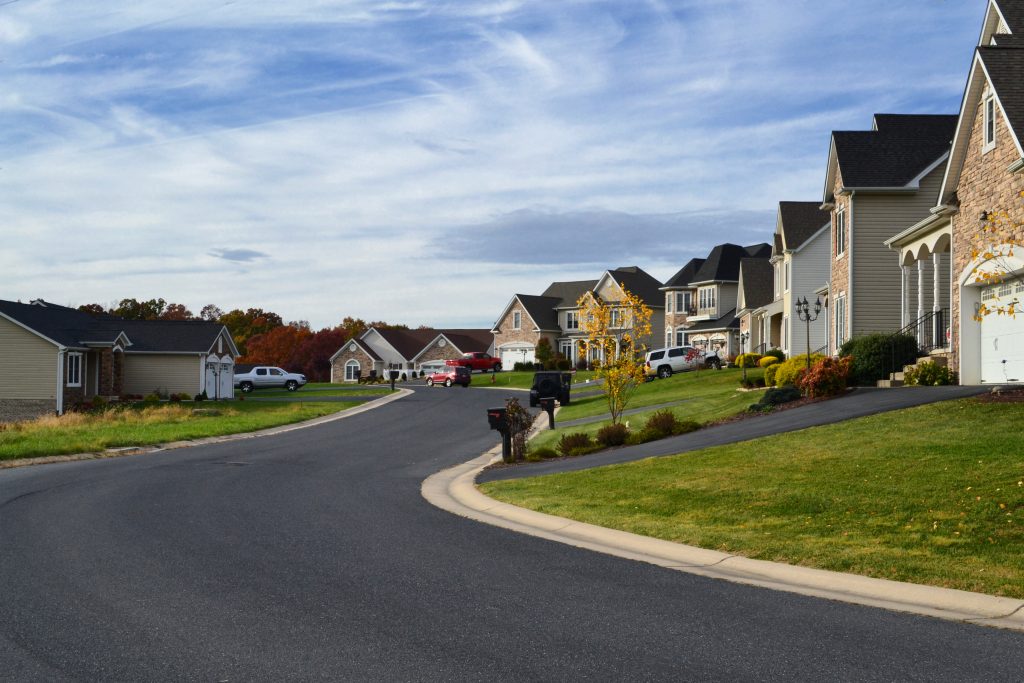
Every streetscape tells a story, and the materials behind it determine how long that story looks sharp and performs safely. From blazing sun to freezing winters, streetscape components face nonstop exposure that tests their durability. Knowing how long streetscape materials really last helps communities and property managers invest smarter, plan maintenance better, and avoid costly surprises.
Metal Materials and Their True Lifespan
Metal is the backbone of streetscape design, commonly used for signs, posts, lighting fixtures, and mailbox systems. Aluminum and steel are especially popular because they offer strength without excessive bulk. In moderate climates with proper coatings, aluminum components can last twenty to thirty years, while galvanized or powder-coated steel often delivers fifteen to twenty-five years of reliable service.
Climate plays a major role in how those numbers shake out. In coastal or winter-heavy regions where salt is present, untreated metal corrodes much faster. Moisture and salt accelerate oxidation, which weakens the structure and appearance. Protective finishes and routine cleaning dramatically extend lifespan, turning what could be a ten-year product into a decades-long asset.
Powder Coating vs Standard Paint
Finish quality is where longevity is either protected or sacrificed. Standard paint looks good initially but tends to chip, fade, and peel within five to seven years under constant exposure. Once that protective layer breaks, moisture gets in, and deterioration accelerates quickly.
Powder coating is a different league entirely. Because it is heat-bonded to the surface, it forms a thicker, more resilient shell that resists UV damage, moisture, and abrasion. In most climates, powder-coated streetscape materials maintain color and protection for fifteen years or more. This is why Otto’s Streetscape prioritizes high-performance finishes for long-term installations where replacement is not an option.
Wood Components and Environmental Reality
Wood brings warmth and character to streetscapes, especially for mailbox posts and decorative elements. Pressure-treated lumber can last fifteen to twenty years when properly sealed and maintained. Cedar and other naturally resistant woods perform well, too, though they still require protection from moisture and sun.
Climate determines how much wood is demanded. In humid or rainy regions, rot becomes the primary threat if sealing is neglected. In hot, dry climates, cracking and splitting are more common. Regular sealing and inspection are non-negotiable if wood is expected to age gracefully rather than fail prematurely.
Plastics and Composite Materials
Modern plastics and composites offer impressive durability with minimal maintenance. High-quality PVC and composite materials resist moisture, insects, and corrosion, making them ideal for harsh or variable climates. In most use cases, these materials last twenty years or longer without structural degradation.
Their main enemy is sunlight. Prolonged UV exposure can cause fading and brittleness if materials are not UV-stabilized. When properly engineered for outdoor use, composites maintain both strength and appearance for decades, making them a strong choice for communities seeking consistency with low upkeep.
Sign Panels and Graphic Longevity
Sign panels and graphics are often the first elements to show wear, even when the structure remains sound. Reflective sheeting and printed graphics typically last seven to twelve years, depending on material quality and exposure. High-traffic areas and constant sun shorten that window, while shaded or lower-speed environments extend it.
The key is understanding that panels and posts age at different rates. Replacing graphics while keeping the structural components intact is often the most cost-effective approach. Planning for these staggered lifecycles prevents sudden full-system replacements and keeps signage readable and compliant at all times.
Lighting Fixtures and Electrical Components
Street lighting materials face a dual challenge of weather and constant operation. Fixture housings made from aluminum or stainless steel commonly last twenty to thirty years when properly sealed. LED modules typically perform for ten to fifteen years before output noticeably declines.
Climate impacts electronics just as much as structure. Extreme heat shortens component life, while moisture intrusion causes early failures. Quality sealing, proper drainage, and smart placement significantly improve lifespan. At Otto’s Streetscape, lighting systems are specified with environmental stress in mind, ensuring performance holds up long after installation.
High-Traffic vs Low-Traffic Environments
Usage matters just as much as climate. Streetscape materials in high-traffic areas experience vibration, impact risk, and constant exposure to exhaust and debris. These conditions accelerate wear, reducing the lifespan if materials are not designed for heavy use.
Low-traffic residential environments are far more forgiving. Materials age more slowly and maintain their appearance longer when they are not constantly stressed. Matching material grade to use case is one of the smartest decisions a community can make, ensuring durability aligns with real-world demands rather than ideal conditions.
Maintenance as a Lifespan Multiplier
No streetscape material is maintenance-free, but the right care multiplies longevity. Simple actions like cleaning, tightening hardware, and addressing minor damage early can add years to a product’s life. Neglect, on the other hand, compounds small issues until replacement becomes unavoidable.
Scheduled inspections turn maintenance from a reaction into a strategy. By planning upkeep around known material lifecycles, communities avoid emergency repairs and budget shocks. Proactive care protects both safety and visual appeal, preserving the value of the original investment.
Planning for Longevity with Confidence
Understanding how long streetscape materials really last empowers better decisions from day one. Climate, usage, material choice, and finish all work together to determine true lifespan. When these factors are aligned, streetscape systems deliver decades of performance instead of constant repair cycles.
Partner with Otto’s Streetscape Solutions!
At Otto’s Streetscape Solutions, we’re proud to be part of that mission. Let us help you bring clarity, safety, and peace of mind to your community one light at a time. Contact us today to learn more about our lighting solutions.