
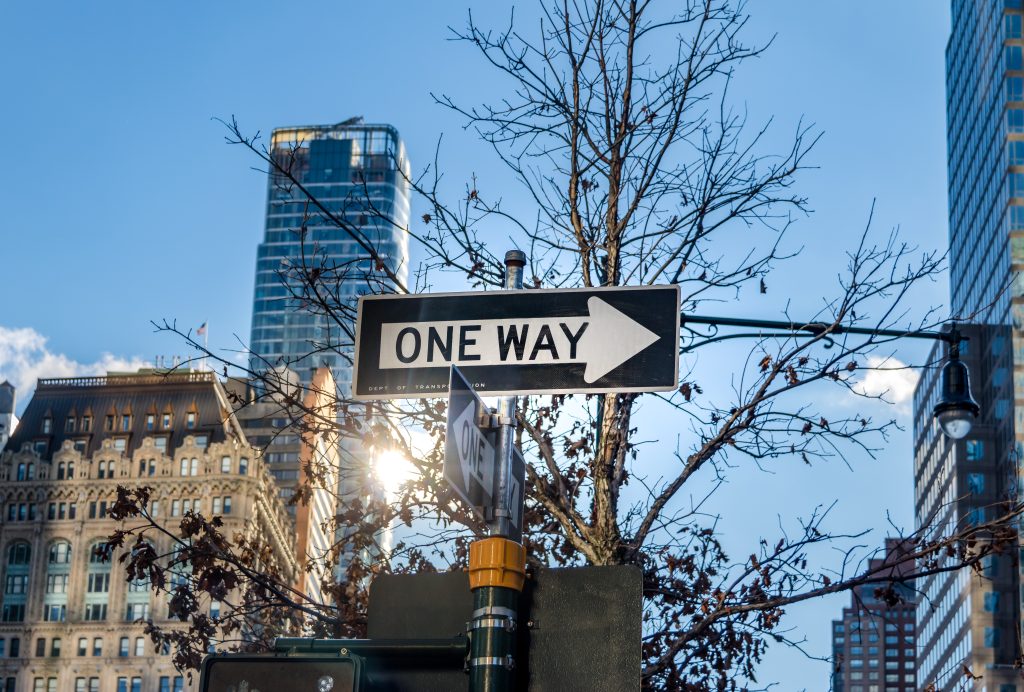
Street signs are supposed to make roads safer, not more confusing. Yet every year, poor sign design and maintenance contribute to missed turns, sudden stops, and dangerous hesitation. The good news is that most street sign failures are completely preventable when you know what to watch for and how to fix them.
Poor Visibility at Night
One of the most common and dangerous street sign failures happens after dark. Signs that lack proper reflectivity or have worn surfaces become nearly invisible at night, especially on roads without strong street lighting. Drivers rely on headlights to illuminate signs, and when those signs fail to reflect light clearly, reaction time is reduced. That split second of confusion can lead to hard braking, lane changes, or worse.
Avoiding this issue starts with choosing the right reflective materials and maintaining them over time. Reflective surfaces degrade as they age, especially when exposed to sun, salt, and moisture. Regular inspections and timely replacements ensure signs stay bright and legible long after sunset. A sign that performs beautifully during the day but disappears at night is not doing its job.
Incorrect Sign Placement
Even a perfectly designed sign can become a hazard if it is placed incorrectly. Signs that are mounted too low, set back too far from the roadway, or hidden behind trees and parked vehicles fail to deliver information when it matters most. Drivers need time and distance to read and respond, and poor placement steals both.
Proper placement follows clear visibility standards that account for speed, approach angle, and surrounding obstacles. Signs should be positioned where drivers naturally look, not tucked away as an afterthought. Routine checks help catch issues caused by new landscaping, construction, or shifting terrain before they become safety concerns.
Faded or Illegible Text
Faded lettering is more than an eyesore; it is a serious safety risk. Sun exposure gradually breaks down pigments, washing out colors and reducing contrast between text and background. Over time, once-clear messages turn into vague shapes that force drivers to guess instead of read.
High-quality finishes and UV-resistant coatings dramatically slow this process. Choosing durable materials upfront saves money and prevents dangerous lapses in readability later. At Otto’s Streetscape, attention to finish quality and long-term durability ensures that sign text remains crisp, bold, and readable year after year, even in harsh conditions.
Inconsistent or Confusing Design
Consistency is critical for fast decision-making. When street signs vary wildly in color, font, or layout, drivers must pause to interpret what they are seeing. That hesitation increases the risk of sudden maneuvers and accidents, especially in high-traffic or unfamiliar areas.
Uniform design standards eliminate guesswork. Clear fonts, standard color usage, and predictable layouts allow drivers to instantly recognize sign purpose without conscious effort. Communities that enforce consistent sign design create safer roads simply by making information easier to process at speed.
Obstructed or Damaged Signs
Street signs live outdoors, which means they take constant abuse. Storms, vehicle impacts, vandalism, and even routine wear can bend posts, twist panels, or knock signs out of alignment. A sign facing the wrong direction or partially blocked by debris might as well not exist.
Regular maintenance is the key to prevention. Scheduled inspections catch damage early, before it creates confusion or danger. Straightening, cleaning, or replacing compromised signs keeps the entire system functioning smoothly. Ignoring minor damage often leads to major safety issues down the road.
Wrong Size for the Environment
Size matters more than most people realize. Signs that are too small for the speed of traffic or viewing distance cannot be read in time, even if the design itself is flawless. Drivers traveling at higher speeds need larger lettering and clearer spacing to absorb information quickly.
According to the U.S. Department of Transportation, matching sign size to road conditions is essential. Residential streets, arterial roads, and highways all demand different scale and visibility standards. Proper planning ensures signs are readable from the correct distance, giving drivers the time they need to react calmly and safely.
Lack of Ongoing Evaluation
Many sign failures happen not because of poor initial choices, but because no one checks performance over time. Communities evolve, traffic patterns change, and signs that once worked perfectly may no longer meet current needs. Without evaluation, outdated signage quietly becomes a liability.
Ongoing assessment keeps signage aligned with real-world conditions. Reviewing placement, visibility, and clarity ensures signs continue to serve their purpose as environments change. Proactive updates prevent small issues from turning into costly accidents or emergency replacements.
Turning Problems into Protection
Street sign failures are rarely dramatic, but their consequences can be. Every unreadable sign, hidden message, or confusing layout chips away at road safety. The smartest communities treat signage as active infrastructure, not static decoration.
Partner with Otto’s Streetscape Solutions!
At Otto’s Streetscape Solutions, we’re proud to be part of that mission. Let us help you bring clarity, safety, and peace of mind to your community one light at a time. Contact us today to learn more about our lighting solutions.